
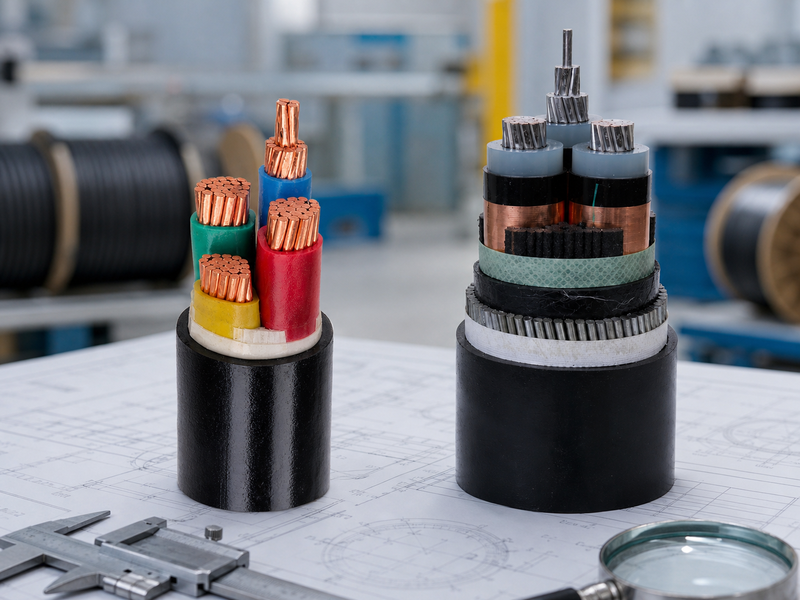
XLPE ve PVC, güç kablosu tasarımında kullanılan en yaygın yalıtım sistemlerinden ikisidir, ancak farklı mühendislik problemlerini çözüyorlar. PVC, esnek olması nedeniyle alçak gerilim binalarında ve endüstriyel kablolarda yaygın olarak kullanılan termoplastik bir malzemedir., ekonomik, ve genel iç mekan veya korumalı rotalar için pratiktir. XLPE, daha yüksek termal dayanıklılığın olduğu yerlerde kullanılan çapraz bağlı bir termoset yalıtımdır., daha güçlü elektrik performansı, ve daha zorlu güç dağıtım koşulları gereklidir.
Temel fark sadece malzeme fiyatı değil. Doğru seçim voltaj sınıfına bağlıdır, iletken sıcaklığı, kısa devre görevi, rota koşulları, kurulum yöntemi, yangın davranışı gereksinimleri, mekanik koruma, ve proje standardı kapsamındaki dokümantasyon. A 0.6/1 kV bina besleyicisi PVC izolasyonla iyi çalışabilir, bir süre 6/10 kV, 8.7/15 kV, 12/20 kV, veya 18/30 kV dağıtım yolu normalde ortak orta gerilim kablo standartları kapsamında XLPE yalıtımı gerektirir.
Pratik fark polimer davranışıyla başlar
PVC, veya polivinil klorür, Termoplastik olduğundan ısıtıldığında yumuşar. Kablo sınıfı PVC bileşikleri alev geciktirici olarak formüle edilebilir, esneklik, yağ direnci, renk tanımlama, ve kılıf performansı. Birçok alçak gerilim kurulumunda, bu denge PVC'yi kullanışlı bir yalıtım veya kılıf malzemesi haline getirir.
XLPE, veya çapraz bağlı polietilen, imalat sırasında moleküler yapısı çapraz bağlanan polietilendir. Bu çapraz bağlanma, malzemenin ısıya ve elektriksel strese nasıl tepki vereceğini değiştirir.. Normal çalışma sırasında basit bir termoplastik gibi erimez, ve birçok güç kablosu tasarımında daha yüksek iletken sıcaklık değerlerini destekleyebilir. Bu, XLPE'nin birçok modern düşük voltajlı yalıtım malzemesi için baskın yalıtım malzemesi olmasının bir nedenidir., orta gerilim, yüksek voltaj, ve ekstra yüksek voltajlı güç kabloları.
Kısa bir mühendislik tanımı faydalıdır: PVC genellikle ekonomik alçak gerilim izolasyon ve kılıf sistemleri için seçilir; Kablonun daha yüksek termal gerilime dayanması gerektiğinde XLPE seçilir, daha yüksek elektriksel stres, veya orta gerilim güç dağıtım görevi.
Sıcaklık derecesi mevcut kapasiteyi ve güvenlik marjını değiştirir
Sıcaklık derecesi, XLPE ve PVC yalıtımlı kablolar arasındaki en önemli teknik farklardan biridir.. Yaygın olarak kullanılan PVC yalıtımlı güç kablolarının çoğu, XLPE yalıtımlı kablolara göre daha düşük sürekli iletken çalışma sıcaklığına göre tasarlanmıştır.. XLPE yalıtımı genellikle aşağıdakilerle ilişkilidir: 90 Birçok standartta ve ürün tasarımında santigrat derece sürekli iletken çalışması, standart PVC yalıtımı genellikle daha düşük sürekli sıcaklık sınıflarıyla ilişkilendirilirken, 70 santigrat derece, bileşiğe ve standarda bağlı olarak.
Bu fark akım taşıma kapasitesini etkiler. Daha yüksek iletken sıcaklığında çalışabilen bir kablo, aynı kurulum koşullarında daha fazla akım taşıyabilir, ancak yalnızca iletken boyutu, kurulum yöntemi, ortam sıcaklığı, gruplama, toprağın termal direnci, ve standart hesaplama yöntemi bu sonucu destekliyor. Sıcaklık derecesi değer kaybının göz ardı edilmesine izin vermez.
| Öğe | Tipik PVC yalıtımlı kablo mantığı | Tipik XLPE yalıtımlı kablo mantığı |
|---|---|---|
| Malzeme türü | Termoplastik yalıtım bileşiği | Çapraz bağlı termoset yalıtım |
| Ortak kullanım aralığı | Alçak gerilim binası, kontrol, ek, ve genel endüstriyel devreler | Alçak gerilim güç besleyicileri ve çoğu orta gerilim güç dağıtım kablosu |
| Termal davranış | Isı altında daha kolay yumuşar | Çapraz bağlamadan sonra daha iyi termal stabilite |
| Elektriksel stres görevi | Birçok AG devresi için uygundur | OG ve daha yüksek elektriksel stres uygulamaları için tercih edilir |
| Maliyet konumu | Genellikle daha düşük malzeme ve işleme maliyeti | Genellikle daha yüksek yalıtım ve işlem maliyeti, ancak zorlu rotalarda boyutu azaltabilir veya derecelendirmeyi artırabilir |

Gerilim sınıfı genellikle en hızlı seçim filtresidir
İçin alçak gerilim güç dağıtımı, hem PVC hem de XLPE yalıtımlı kablo yapıları mevcut olabilir. Doğru tasarım proje standardına bağlıdır, rota, yangın gereksinimi, iletken boyutu, ve kurulum ortamı. Orta gerilim kablosu için, XLPE normalde uygun yalıtım sistemidir çünkü kablonun iletken ekran aracılığıyla elektrik stresini kontrol etmesi gerekir, yalıtım, yalıtım ekranı, metalik ekran, kılıf, ve test gereksinimleri.
IEC 60502-1 nominal gerilimler için ekstrüzyon izolasyonlu güç kablolarını kapsar. 1 kV'ye kadar 3 kV. IEC 60502-2 ekstrüzyona tabi tutulmuş yalıtımlı güç kablolarını kapsar anma gerilimleri için 6 kV'ye kadar 30 kV. Pratik spesifikasyon çalışmalarında, bu, yalıtım seçiminin nominal gerilim ifadesiyle birlikte okunması gerektiği anlamına gelir, örneğin 0.6/1 kV, 1.8/3 kV, 6/10 kV, 8.7/15 kV, 12/20 kV, veya 18/30 kV.
Rota ticari bir bina besleyicisi olduğunda, yardımcı trafo merkezi bağlantısı, madencilik tesisi, endüstriyel tesis, yenilenebilir enerji toplayıcı devresi, veya altyapı dağıtım hattı, Malzeme maliyetini karşılaştırmadan önce voltaj sınıfı onaylanmalıdır. Daha düşük maliyetli bir yalıtım sistemi, elektriksel stres seviyesine uymuyorsa tasarruf sağlamaz..
Maliyet karşılaştırması kurulu sistemi içermelidir
PVC yalıtımlı kablonun başlangıç malzeme maliyeti genellikle XLPE yalıtımlı kabloya göre daha düşüktür, özellikle yaygın düşük voltaj boyutlarında. Bu, PVC'yi birçok iç mekan devresi için uygun hale getirebilir, kontrol kablolaması, aydınlatma dağıtımı, ve çalışma sıcaklığının ve elektriksel stresin orta düzeyde olduğu yardımcı güç yolları.
XLPE yalıtımlı kablonun metre başına maliyeti daha yüksek olabilir, ancak kurulu sistem zorlu güç yollarında daha verimli olabilir. Daha yüksek sıcaklık kapasitesi, daha güçlü dielektrik performansı, ve orta gerilim yapısına uygunluk teknik riski azaltabilir. Bazı alçak gerilim besleyici tasarımlarında, XLPE ayrıca geçerli hesaplama yöntemi kapsamında daha kompakt bir iletken seçimini de destekleyebilir, nihai boyutlandırmanın elektrik tasarımına ve kurulum zayıflamasına uygun olması gerekmesine rağmen.
Gerçek maliyet karşılaştırması iletken malzemeyi içermelidir, iletken boyutu, yalıtım bileşiği, kılıf malzemesi, zırh, ekran, tambur uzunluğu, test, paketleme, kurulum yöntemi, rota koruması, dokümantasyon, ve kablo sonlandırma aksesuarları. Birim fiyatına göre daha ucuz görünen bir kablo, daha büyük boyut gerektiriyorsa ek maliyet yaratabilir, daha düşük işletme marjı, farklı koruma yöntemi, veya daha kısıtlayıcı kurulum rotası.
Kurulum ortamı düşük maliyetin riske dönüşüp dönüşmeyeceğine karar verir
PVC yalıtımı birçok korumalı alçak gerilim hattında pratiktir. Kablo nominal sıcaklığı dahilinde çalıştığında iyi performans gösterir, kimyasal maruziyet kontrol edilir, mekanik hasar sınırlıdır, ve proje standardı malzemeyi kabul eder. PVC ayrıca bina ve endüstriyel kablolama sistemlerinde renk tanımlama ve alev geciktirici özelliklerin gerekli olduğu yerlerde de yaygındır..
XLPE, daha yüksek yük yoğunluğuna maruz kalan rotalarla daha iyi hizalanır, yüksek sıcaklıkta daha uzun çalışma, daha yüksek kısa devre görevi, yer altı dağıtımı, uygun kılıf ve zırhla doğrudan gömme, veya orta gerilim elektrik gerilimi. Yalıtım sistemi kılıf seçimi ile koordine edilmelidir. PVC, PE, ve LSZH kılıfların her biri farklı dış koruma ve yangın davranışı sorunlarını çözer; yalıtım ve kılıf aynı karar olarak değerlendirilmemelidir.
| Proje durumu | Daha uygun yön | Sebep |
|---|---|---|
| Genel alçak gerilim iç mekan besleyicisi | PVC veya XLPE, derecelendirmeye ve standarda bağlı olarak | Her ikisi de teknik olarak mümkün olabilir; son seçim sıcaklığa bağlıdır, yangın davranışı, ve kurulum yöntemi |
| Orta gerilim dağıtım güzergahı | XLPE | Elektriksel stres kontrolü ve OG standardı gereklilikleri normalde XLPE yalıtım sistemlerini gerektirir |
| Yüksek ortam sıcaklığı veya yüksek yük faktörü | Genellikle XLPE | Daha yüksek termal dayanıklılık, değer kaybı doğru şekilde hesaplandığında tasarım marjını iyileştirebilir |
| Maliyete duyarlı yardımcı AG devreleri | Genellikle PVC | Orta düzeydeki devreler için malzeme ekonomisi ve pratik kullanım yeterli olabilir |
| Yangına duyarlı binalar veya kapalı ortak alanlar | PVC'ye bağlıdır, LSZH, veya proje yangın gereksinimi | Duman, halojen, alev yayılması, ve yerel yasa gereksinimleri, yalıtım malzemesi adından ayrı olarak kontrol edilmelidir. |
Yangın davranışına tek başına XLPE veya PVC cevap vermez
Yaygın bir hata, XLPE'yi PVC'ye karşı tam bir yangın performansı karşılaştırması olarak ele almaktır.. öyle değil. Yangın davranışı tüm kablo bileşik sistemine bağlıdır, yalıtım dahil, yatak takımı, dolgu maddesi, kılıf, alev geciktirici katkı maddeleri, halojen içeriği, duman emisyonu, ve projede kullanılan test standardı.
PVC klor içerir ve alevin yayılmasına direnecek şekilde formüle edilebilir, ancak halojen asit gazı ve duman gereklilikleri bazı binalarda PVC kullanımını kısıtlayabilir, tüneller, raylı sistemler, veri merkezleri, veya kamu tesisleri. XLPE yalıtımının kendisi, kabloyu otomatik olarak düşük dumanlı veya halojensiz hale getirmez. Bir kablo PVC kılıflı XLPE yalıtımını kullanabilir, PE kılıf, veya spesifikasyona bağlı olarak LSZH kılıf.
Yangına duyarlı projeler için, daha iyi soru sadece XLPE veya PVC değil. Şartname alev geciktirici sınıfı tanımlamalıdır, halojen gereksinimi, duman gereksinimi, asitlik gereksinimi, Uygun olduğu durumlarda CPR veya yerel yangına tepki sınıflandırması, ve ilgili test standardı.
Mekanik koruma ayrı bir tasarım katmanıdır
Yalıtım malzemesi mekanik korumanın yerini almaz. PVC yalıtımlı bir alçak gerilim kablosunun hala çelik tel zırha ihtiyacı olabilir, çelik bant zırhı, kanal, tepsi, kanal, veya güzergah darbe veya sıkışmayla karşı karşıya kaldığında koruyucu kaplama. XLPE orta gerilim kablosu, yeraltına kurulduğunda ayrıca zırh veya özel kılıf gerektirebilir, endüstriyel bir tesiste, yol geçişlerinin yakınında, veya çekme ve taşıma riski olan alanlarda.
Mekanik tasarım kablo ağırlığını gözden geçirmelidir, bükülme yarıçapı, gerginlik çekmek, tambur boyutları, rota dönüşleri, kurulum ekipmanı, ve sonlandırma alanı. XLPE yalıtımı elektriksel ve termal performansı artırır, ancak kötü kurulum yine de kılıfa zarar verebilir, ekran, zırh, veya izolasyon. PVC izolasyon ekonomik olabilir, ancak mekanik ve termal tasarımının ötesinde bir ortama yerleştirilmemelidir..
Test ve dokümantasyon seçilen yalıtım sistemiyle eşleşmelidir
Test gereksinimleri voltaj sınıfına ve standarda göre farklılık gösterir. Alçak gerilim kabloları genellikle iletken direnç kontrolleri gerektirir, gerilim testleri, boyutsal muayene, ve görsel kontroller. Orta gerilim XLPE kabloları, daha sıkı elektriksel stres ve kalite kontrol gereksinimleri sağlar, kısmi deşarj testi gibi, yüksek voltaj testi, kılıf bütünlüğü kontrolleri, ekran kontrolleri, ve seçilen standart kapsamında boyutsal kontroller.
Dokümantasyon üretimden önce uyumlu hale getirilmelidir. Yararlı belgeler arasında teknik veri sayfası bulunur, inşaat çizimi, anma gerilimi, iletken sınıfı, iletken malzeme, yalıtım malzemesi, yalıtım kalınlığı, kılıf malzemesi, zırh tipi, geçerli standart, tambur uzunluğu, paketleme yöntemi, rutin test raporu, ve boyutsal muayene kaydı. Bu belgeler sadece idari evraklar değildir.; düşük voltajlı bir PVC kablonun olasılığını azaltırlar, alçak gerilim XLPE besleyici, veya orta gerilim XLPE kablosu yanlış varsayımlarla belirtilmiş.
PVC daha iyi bir mühendislik tercihi olduğunda
Devre düşük voltajlı olduğunda PVC genellikle daha iyi bir seçimdir, ortam kontrol ediliyor, çalışma sıcaklığı ılımlı, rota korunuyor, ve proje basit kullanım ve maliyet kontrolüne değer veriyor. Bina kablolaması, yardımcı devreler, kontrolle ilgili güç devreleri, kapalı alçak gerilim besleyicileri, ve standart endüstriyel bağlantıların tümü, standart izin verdiğinde PVC bazlı yapılar kullanabilir.
PVC'nin en güçlü argümanı evrensel olarak daha iyi olması değil. Doğru şekilde belirlenmiş bir PVC kablonun verimli olabilmesidir, ekonomik, ve doğru görev sınıfında pratik. Her alçak gerilim uygulaması için XLPE'nin gereğinden fazla belirtilmesi, sistemin performansı gerçekten sınırlayan kısmını iyileştirmeden maliyeti artırabilir.
XLPE daha iyi bir mühendislik tercihi olduğunda
Kablo daha yüksek yük taşıdığında XLPE genellikle daha iyi bir seçimdir, daha yüksek termal sınırlara yakın çalışır, orta gerilim elektrik stresiyle karşı karşıyadır, veya daha güçlü uzun vadeli dielektrik performansı gerektirir. Orta gerilim güç kabloları, yüksek yüklü AG besleyiciler, yeraltı sanayi yolları, fayda dağıtımı, yenilenebilir enerji toplama sistemleri, ve altyapı trafo merkezleri genellikle XLPE yalıtımına işaret ediyor.
XLPE'nin en güçlü argümanı tasarım marjıdır. Daha yüksek termal kapasite ve daha iyi elektriksel performans, daha zorlu sistemleri destekleyebilir, ancak yalnızca iletken boyutlandırma sırasında, kılıf seçimi, zırh, döşeme yöntemi, ve testler birlikte belirtilir. XLPE doğru kurulum mühendisliğinin yerine geçmez.
XWA kablo yapılandırması için spesifikasyon kontrol listesi
Doğru bir XLPE veya PVC kablo konfigürasyonu için, Şartname, malzeme seçimi tamamlanmadan önce elektrik ve kurulum koşullarını tanımlamalıdır.. Aşağıdaki kontrol listesi, kararın yalnızca malzeme adlarından ziyade mühendislik gerçekliğine bağlı kalmasına yardımcı olur.
| Şartname öğesi | Neden önemli? |
|---|---|
| Nominal gerilim | AG uygulamalarını OG izolasyon sistemlerinden ve geçerli standartlardan ayırır |
| İletken malzemesi ve sınıfı | İletkenliği etkiler, esneklik, sonlandırma yöntemi, ağırlık, ve maliyet |
| İletken boyutu | Mevcut kapasiteyi karşılamalı, voltaj düşüşü, kısa devre görevi, ve kurulum değer kaybı |
| Yalıtım malzemesi | Termal ve dielektrik davranışı tanımlar; göreve göre PVC veya XLPE'yi seçin |
| Kılıf malzemesi | Dış korumayı kontrol eder, hava şartlarına maruz kalma, kimyasal direnç, duman, ve halojen davranışı |
| Zırh veya ekran | Geçerli olduğunda mekanik koruma veya OG elektriksel stres kontrolü için gereklidir |
| Kurulum rotası | Doğrudan gömme, kanal, tepsi, hava, tünel, bitki, ve açık hava yolları farklı riskler yaratıyor |
| Standart ve testler | İnşaatı birbirine bağlar, boyutlar, elektrik testleri, ve dokümantasyon |
XLPE ve PVC kararlarında yaygın hatalar
İlk hata sadece metre başına fiyatı karşılaştırmaktır. Malzeme maliyeti önemlidir, ancak yüklü rota, iletken boyutu, değer kaybı, koruma yöntemi, ve testler toplam sonucu değiştirebilir. İkinci hata ise PVC'nin her zaman düşük kaliteli olduğunu ya da XLPE'nin her zaman en iyi seçenek olduğunu varsaymaktır.. Her ikisi de farklı çalışma ortamlarında doğrudur.
Üçüncü hata yalıtım ve kılıf kararlarını karıştırmak. Bir kablo PVC kılıflı XLPE izolasyona sahip olabilir, PE kılıflı XLPE izolasyonu, veya LSZH kılıflı XLPE izolasyonu. Ürün başlığında adı geçen bir malzeme, kablonun yalnızca bir bölümünü tanımlıyor olabilir. Dördüncü hata standardı göz ardı etmektir. IEC, BS, İÇİNDE, VDE, UL, veya ulusal spesifikasyonlar, basit bir malzeme tercihini geçersiz kılan yapım ve test gerekliliklerini tanımlayabilir.
Mühendislik sonucu
XLPE vs PVC yalıtımlı kablo seçimi gerilim sınıfıyla başlamalıdır, çalışma sıcaklığı, kurulum rotası, yangın davranışı, mekanik koruma, ve test gereksinimleri. PVC birçok alçak gerilim uygulaması için pratik ve ekonomik olmaya devam ediyor. XLPE, orta gerilim sistemleri ve daha yüksek termal veya elektriksel stres koşulları için daha güçlü bir seçimdir.
XWA kablo yapılandırması için, izolasyon malzemesi iletken ile birlikte seçilmelidir, kılıf, zırh, standart, rota, ve dokümantasyon. Bu, daha net bir spesifikasyon sağlar ve kablo yapısı ile proje görevi arasındaki önlenebilir uyumsuzluğu azaltır.
SSS
Güç kabloları için XLPE her zaman PVC'den daha mı iyidir??
HAYIR. XLPE daha güçlü termal ve elektriksel performans sağlar, ancak PVC, birçok düşük voltaj korumalı devre için daha pratik ve ekonomik bir seçim olabilir. Doğru seçim, görev sınıfına ve kurulum koşullarına bağlıdır.
Bir kablo XLPE izolasyonu ve PVC kılıfı aynı anda kullanabilir mi??
Evet. Birçok güç kablosu yapısında elektrik performansı için XLPE izolasyonu ve dış koruma için PVC kılıf kullanılır. Yalıtım ve kılıf malzemeleri ayrı ayrı belirtilmelidir.
Orta gerilim kablolarında XLPE neden yaygındır??
Orta gerilim kabloları daha güçlü dielektrik performansa ihtiyaç duyar, elektriksel stres kontrolü, ve daha sıkı fabrika testleri. XLPE yalıtımı yaygın olarak kullanılmaktadır çünkü bu gereksinimlere sıradan PVC yalıtımından daha iyi uyuyor.
PVC kablonun yangın performansı zayıf mı??
Mutlaka değil. PVC alev geciktirici olarak formüle edilebilir, ancak duman ve halojen gereklilikleri ayrı ayrı kontrol edilmelidir. Yangına duyarlı projeler LSZH veya özel alev testi performansı gerektirebilir.
XLPE veya PVC kablo konfigürasyonu için hangi bilgilere ihtiyaç vardır??
Çekirdek veriler nominal voltajı içerir, iletken malzeme, iletken boyutu, yalıtım, kılıf, zırh, kurulum rotası, standart, test gereksinimi, tambur uzunluğu, ve belge zorunluluğu.