
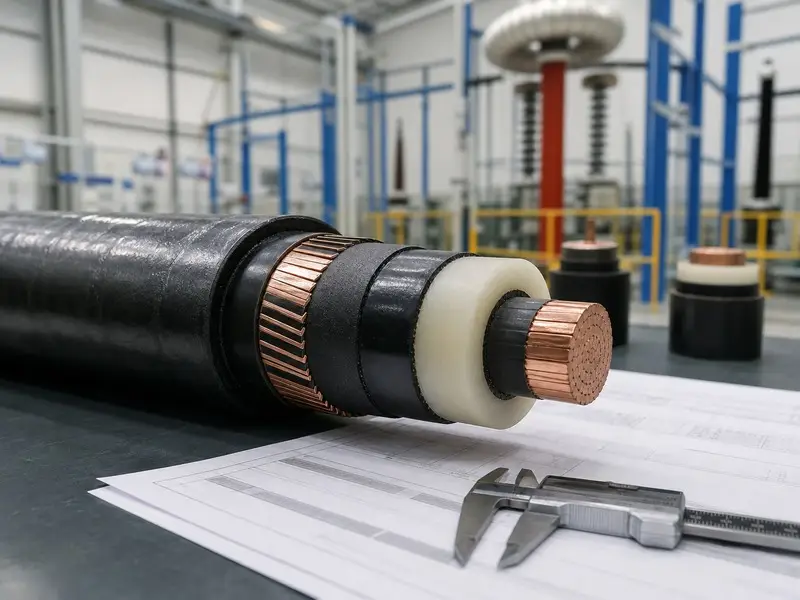
اللجنة الانتخابية المستقلة 60502-2 لكابلات الجهد المتوسط يمنح المهندسين مرجعًا أساسيًا لكابلات الطاقة العازلة المبثوقة. كثير 6 كيلو فولت ل 30 توزيع فئة كيلو فولت والأنظمة الصناعية تستخدمه. يساعد المعيار في تحديد بناء الكابلات, أبعاد, ومتطلبات الاختبار, لكنه لا يحل محل مواصفات المشروع. لا تزال المواصفات الكاملة لكابل MV بحاجة إلى تعيين الجهد, حجم الموصل, نظام العزل, شاشة معدنية, درع, وغمد. كما يحتاج إلى بيئة التثبيت, نطاق الاختبار, طول الطبل, ومتطلبات الوثيقة.
من شركة XWA Power & هندسة الكابلات وعرض المصنع, اللجنة الانتخابية المستقلة 60502-2 يعمل بشكل أفضل كخط الأساس الفني. ثم يضيف ملف المشروع نموذج الكبل الفعلي, مادة موصل, منطقة الشاشة, تصميم الدروع, والمواد غمد. كما أنه يضيف متطلبات الحريق أو الأشعة فوق البنفسجية, خطة التفتيش, ووثائق التسليم. يشرح هذا المقال كيفية قراءة XWA لـ IEC 60502-2 أثناء إنتاج كابلات الجهد المتوسط. ويوضح أيضًا كيفية اتصال المعيار بأمر كابل عملي.
سياق المنتج الرئيسي هو كابل الطاقة ذو الجهد المتوسط يتراوح. خيارات خاصة بالجهد مثل 33كابل كيلو فولت استخدم نفس المنطق الهندسي. يحدد المعيار الإطار. تحدد المواصفات المعتمدة الكابل المرفق.
حيث اللجنة الانتخابية المستقلة 60502-2 يناسب مواصفات كابل الجهد المتوسط.
اللجنة الانتخابية المستقلة 60502 هي عائلة قياسية متعددة الأجزاء لكابلات الطاقة ذات العزل المبثوق وملحقاتها. اللجنة الانتخابية المستقلة 60502-2 يركز على كابلات الطاقة للجهد المقنن من 6 كيلو فولت حتى 30 كيلو فولت. في لغة المشروع العملي, غالبًا ما يطبقه المهندسون على أنظمة الكابلات ذات الجهد المتوسط. تشمل تسميات الجهد المشترك 6/10 كيلو فولت, 8.7/15 كيلو فولت, 12/20 كيلو فولت, و 18/30 كيلو فولت.
المعيار ليس كتالوج المنتجات. لا تقرر كل تفاصيل البناء. لا يزال المشروع بحاجة إلى تعريف موصل النحاس أو الألومنيوم, بناء أحادي النواة أو ثلاثي النواة, نوع الشاشة, نوع الدرع, مادة غمد, وطبقات مانعة للماء. تأتي هذه الاختيارات من تصميم النظام, بيئة التثبيت, حساب الخطأ الحالي, ممارسة المرافق المحلية, والمواصفات الفنية المتفق عليها.
| طبقة المواصفات. | ما الذي يحدده. | لماذا يهم؟. |
|---|---|---|
| اللجنة الانتخابية المستقلة 60502-2 خط الأساس. | نِطَاق, إطار البناء, أبعاد, واختبارات الكابلات المبثوقة ذات الجهد المتوسط. | إنشاء مرجع فني معترف به. |
| مواصفات المشروع. | الجهد االكهربى, موصل, شاشة, درع, غمد, متطلبات الحريق والبيئة. | يحول المعيار إلى تصميم كابل قابل للبناء. |
| خطة التفتيش والاختبار. | روتين, عينة, يكتب, شاهد, ومتطلبات الوثيقة. | ضوابط القبول قبل الشحن. |
| تصميم التثبيت. | طريق, خندق, قناة, سحب, الانحناء, الترابط, الإنهاء, والتكليف. | يتحكم في الأداء بعد الولادة. |

يجب أن يتطابق تعيين الجهد مع الشبكة.
عادةً ما تستخدم مواصفات كابل MV Uo/U(واحد) تدوين الجهد. Uo هو جهد تردد الطاقة المقدر بين الموصل والشاشة الأرضية أو المعدنية. U هو الجهد المقنن بين الموصلات. Um يعني الحد الأقصى لجهد النظام لمعدات الكابلات. وهذا التدوين أدق من القول فقط “11 كابل كيلو فولت” أو “33 كابل كيلو فولت.”
أحد المخاطر الشائعة في المصنع هو الوصف غير الكامل للجهد. على سبيل المثال, قد يصف المشروع 11 نظام كيلو فولت. ربما لا تزال مواصفات الكابل مطلوبة 6.35/11(12) كيلو فولت أو 8.7/15(17.5) كيلو فولت. تصميم النظام والممارسة المحلية يقرران التدوين النهائي. تظهر نفس المشكلة في 33 شبكات كيلو فولت, أين 18/30(36) كيلو فولت هو تسمية مشتركة. يعالج XWA كامل Uo/U(واحد) التعيين كمدخل تصميم مطلوب قبل الإنتاج.
لا يتم تحديد مادة الموصل وحجمه وفقًا للمعيار وحده.
اللجنة الانتخابية المستقلة 60502-2 يمكن تطبيقه على الكابلات التي تستخدم موصلات النحاس أو الألومنيوم. البناء المحدد يقرر المادة. يوفر المعيار الإطار, لكن المادة الموصلة ومنطقة المقطع العرضي تأتي من التصميم الكهربائي. تحميل الحالي, واجب ماس كهربائى, ويؤثر انخفاض الجهد على اختيار الموصل النهائي. طريقة التثبيت, درجة الحرارة المحيطة, طول الطريق, والتوافق مع الإنهاء مهم أيضًا.
توفر الموصلات النحاسية موصلية عالية وحجم صغير. تعمل موصلات الألومنيوم على تقليل الوزن وغالبًا ما تعمل على تحسين كفاءة التكلفة لفترات أطول أو مقاطع عرضية كبيرة. يعتمد الاختيار الصحيح على النظام المثبت, ليست قاعدة عالمية. تقوم XWA بمراجعة مادة الموصل, المنطقة الاسمية, فئة موصل, والبناء حبلا. تتبع المراجعة ورقة البيانات المعتمدة ومعيار الموصل المعمول به.
يعتبر عزل XLPE أمرًا مركزيًا, لكن الشاشات تتحكم في المجال الكهربائي.
كابلات الجهد المتوسط تحت IEC 60502-2 يشيع استخدام العزل XLPE. يوفر XLPE أداءً حراريًا وعازلًا جيدًا لخدمة الجهد المتوسط. لا يزال العزل بحاجة إلى الشاشات والواجهات الصحيحة. تعمل شاشة الموصل وشاشة العزل على إنشاء واجهات كهربائية سلسة وتساعد في التحكم في الضغط الكهربائي حول الموصل والعزل.
تهتم مراقبة جودة المصنع بالنظافة, تركيز, استمرارية الشاشة, سمك العزل, وحالة الواجهة. يمكن أن تصبح العيوب في واجهة عزل الشاشة أكثر أهمية من العيب البصري البسيط في الغلاف الخارجي. هذا هو السبب في أن إنتاج الكابلات ذات الجهد المتوسط يحتاج إلى قذف متحكم فيه, مواد نظيفة, علاج مناسب, الشيكات الأبعاد, والاختبارات الكهربائية.
| طبقة الكابلات ذات الجهد المتوسط. | الوظيفة الهندسية. | تفاصيل المواصفات للتعريف. |
|---|---|---|
| موصل. | يحمل تيار الحمل والتيار الخاطئ لمدة قصيرة. | النحاس أو الألومنيوم, منطقة, فصل, بناء حبلا. |
| شاشة الموصل. | ينعم المجال الكهربائي على سطح الموصل. | توافق المواد والقذف المستمر. |
| العزل XLPE. | يوفر قوة عازلة الرئيسية. | درجة الجهد, سمك الاسمي, الحد الأدنى للسمك. |
| شاشة العزل. | يتحكم في الضغط الكهربائي على سطح العزل. | تصميم مستعبدين أو قابل للتجريد على النحو المحدد. |
| شاشة معدنية. | يوفر مسار الصدع الأرضي ووظيفة التدريع. | منطقة الأسلاك النحاسية أو الشريط, متطلبات ماس كهربائى. |
| درع. | يوفر الحماية الميكانيكية عند الاقتضاء. | مادة, السلوك المغناطيسي, ملاءمة أحادية النواة. |
| الغلاف الخارجي. | يحمي من الرطوبة, كشط, الأشعة فوق البنفسجية, المواد الكيميائية, وظروف الحريق. | بولي كلوريد الفينيل, بي, LSZH, لون, وضع العلامات, أداء خاص. |
منطقة الشاشة المعدنية تربط الكابل بتصميم الخطأ.
الشاشة المعدنية ليست مجرد تفاصيل بناء. إنه جزء من مسار التأريض والتيار الخاطئ. قد يحدد النظام شاشة الأسلاك النحاسية, شاشة الشريط النحاسي, أو تصميم الشاشة مجتمعة. يجب أن تتطابق منطقة الشاشة مع واجب الصدع الأرضي وترتيب الربط.
كابل وصفه فقط “كابل MV معزول بـ XLPE” ليست محددة بما فيه الكفاية للإنتاج. بناء الشاشة المعدنية, منطقة, ومتطلبات ماس كهربائى تحتاج إلى تعريف واضح. في بعض الأسواق, تستخدم مواصفات الأداة المساعدة مناطق الشاشة ورموز الكابلات المألوفة. في المشاريع الصناعية, قد يحدد المستشار الهندسي واجب الشاشة من حسابات النظام. تعمل XWA على محاذاة تصميم الشاشة مع بيانات المشروع المعتمدة.
يحتاج الدرع والغمد إلى سياق التثبيت.
اللجنة الانتخابية المستقلة 60502-2 يسمح بالإنشاءات المدرعة وغير المدرعة, لكن بيئة التثبيت هي التي تقرر ما إذا كان الدرع مناسبًا أم لا. الدفن المباشر, القنوات الجوفية, الأنفاق, صواني الكابلات, المناطق الصناعية, والمحطات الفرعية تخلق مخاطر ميكانيكية مختلفة. تحتاج الكابلات أحادية النواة أيضًا إلى اختيار دقيق للدروع لأن الدرع المغناطيسي يمكن أن يسبب مشكلات في التسخين أثناء تشغيل التيار المتردد.
تحتاج مادة الغلاف أيضًا إلى سياق. PVC شائع للتطبيقات العامة. يمكن أن يخدم PE الطرق التي تكون فيها مقاومة الرطوبة والتآكل مهمة. الأنفاق, المباني, محطات, وقد تتطلب المناطق المغلقة غمد LSZH أو مثبطات اللهب. قد يتطلب التعرض الخارجي مقاومة للأشعة فوق البنفسجية. لا يلغي المرجع القياسي الحاجة إلى تحديد شروط المشروع هذه.
روتين, عينة, واختبارات النوع لها وظائف مختلفة.
اللجنة الانتخابية المستقلة 60502-2 يتضمن متطلبات الاختبار. لا تزال أدلة الاختبار بحاجة إلى مراجعة الفئة. تنطبق الاختبارات الروتينية على أطوال الكابلات المصنعة وفقًا للمواصفات القياسية ومواصفات المشروع. تنطبق اختبارات العينات على عينات مختارة أو دفعات الإنتاج. تتحقق اختبارات النوع من صحة تصميم الكابل في ظل ظروف محددة. لا تحل شهادة اختبار النوع محل تقارير الاختبار الروتيني الحالية للكابل المشحون.
في XWA, وتفصل خطة الفحص والاختبار بين هذه الفئات قبل الإنتاج. يرتبط تقرير الاختبار الروتيني بطول الكابل الفعلي, طبل, أو قطعة الإنتاج. تقوم XWA بإرفاق عينة وأدلة اختبار النوع عندما يتطلب المشروع ذلك. والنتيجة هي حزمة مستندات يمكن تتبعها بدلاً من شهادة عامة.
| فئة الاختبار. | غاية. | أدلة المصنع النموذجية. | سوء الفهم المشترك. |
|---|---|---|---|
| اختبار روتيني. | اكتشاف العيوب في أطوال الكابلات المرفقة. | تقرير مرتبط بالدفعة أو الأسطوانة. | بافتراض أن شهادة الكتالوج كافية. |
| اختبار العينة. | التحقق من عينات الإنتاج المختارة. | قياس الدفعة أو تقرير المواد. | توقع أن تتلقى كل طبلة فحوصات مدمرة. |
| اختبار النوع. | التحقق من صحة تصميم الكابل. | تقرير أو شهادة خاصة بالتصميم. | استخدام الأدلة من بناء مختلف. |
| اختبار خاص. | تلبية المتطلبات الخاصة بالمشروع. | خطة التفتيش والاختبار المتفق عليها. | إضافة اختبارات بعد تعبئة الكابل. |
يعد التحكم الجزئي في التفريغ أحد أسباب أهمية المعيار.
يعد التفريغ الجزئي موضوعًا مهمًا للتشخيص والقبول لكابلات الجهد المتوسط. يمكن أن يشير إلى ضعف في نظام العزل, واجهة الشاشة, إعداد نهاية الكابل, أو اختبار الإعداد. تحدد المواصفات القياسية ومواصفات المشروع طريقة التفريغ الجزئي للكابل قيد الاختبار.
يجب أن يحدد سجل المصنع الكابل, تعيين الجهد, حالة الاختبار, نتيجة, وحالة القبول. التقرير الذي ينص فقط “مرت PD” لها قيمة فنية محدودة. يحتاج إلى الاتصال بأسطوانة أو مجموعة إنتاج. تربط عملية مصنع XWA سجلات التفريغ الجزئي بهوية الكابل, شروط الاختبار, ووثائق الإصدار النهائي.
ما اللجنة الانتخابية المستقلة 60502-2 لا يقرر.
تحتاج المواصفات القوية لكابل MV إلى أكثر من مرجع قياسي. اللجنة الانتخابية المستقلة 60502-2 لا يقرر تصميم الطريق, حساب السعة, حد انخفاض الجهد, أو مستوى الدائرة القصيرة. كما أنها لا تقرر ربط الغمد, سحب التوتر, نصف قطر الانحناء, تصميم الإنهاء, أو إجراء الاختبارات. تنتمي هذه القرارات إلى هندسة النظام وتخطيط التثبيت.
هذه الحدود مهمة لأن العديد من حالات فشل كبلات MV لا تأتي من معيار الكبل نفسه. يمكن أن تأتي من منطقة شاشة غير مناسبة, اختيار غمد غير صحيح, أو سوء التخزين. وتشمل الأسباب الأخرى الإفراط في الانحناء, قوة السحب المفرطة, سوء إعداد الإنهاء, دخول الرطوبة, وملحقات غير منسقة. معيار الكابل ضروري, ولكن هذا ليس المشروع بأكمله.
مراجعة مصنع XWA قبل الإنتاج.
قبل الإنتاج, تقوم XWA بمراجعة ورقة البيانات المعتمدة, رسم البناء, قائمة المواد, وخطة التفتيش. تشمل المراجعة أيضًا وضع العلامات, طول الطبل, ومتطلبات التعبئة. يحدد ملف الإنتاج رمز الكابل, تعيين الجهد, موصل, العزل, شاشة, درع, غمد, والمعيار. يجب أن يكون أي انحراف في المشروع مرئيًا قبل بدء التصنيع.
أثناء الإنتاج, يتحكم XWA في إعداد الموصل, قذف, تطبيق الشاشة, وسمك العزل. يتحكم XWA أيضًا في الشاشة المعدنية, درع, قذف غمد, وضع العلامات, وتعبئة الطبل حسب الملف المعتمد. تقوم XWA بعد ذلك بمطابقة سجلات الفحص ونتائج الاختبار مع الكابل المنتج. يؤدي هذا إلى إنشاء رابط مباشر من المواصفات إلى الإنتاج والشحن.
مصفوفة المواصفات العملية.
المصفوفة التالية توضح كيفية IEC 60502-2 يصبح مواصفات كابل MV كاملة. يستخدم منطق ملف المشروع الحقيقي. إنه ليس بديلاً عن الحساب الهندسي, ولكنه يساعد على منع الأوصاف غير الكاملة.
| بيانات المشروع. | استخدام المصنع. | مثال على التفاصيل المفقودة. |
|---|---|---|
| تعيين الجهد. | يحدد مستوى العزل وأساس الاختبار. | الكتابة فقط “11 كيلو فولت”. |
| مادة الموصل وحجمه. | يحدد البيانات الكهربائية والإنتاج. | حجم القائمة بدون النحاس أو الألومنيوم. |
| منطقة الشاشة المعدنية. | يدعم تصميم خطأ الأرض. | تجاهل واجب الشاشة ماس كهربائى. |
| هيكل الدروع. | يتحكم في الحماية الميكانيكية ومخاوف تسخين التيار المتردد. | استخدام الدرع المغناطيسي على كابل تيار متردد أحادي النواة دون مراجعة. |
| مادة غمد. | يطابق البيئة, نار, الأشعة فوق البنفسجية, والتعرض للمواد الكيميائية. | استخدام غمد أسود عام دون متطلبات الأداء. |
| نطاق الاختبار. | يحدد الروتين, عينة, يكتب, ومتطلبات الشهود. | يطلب “جميع الاختبارات” بدون فئات. |
| طول الطبل ووضع العلامات. | ضوابط التعبئة, اللوجستية, وتخطيط التثبيت. | لا يوجد ترقيم للأسطوانة أو متطلبات حماية طرف الكابل. |
كيف يدعم هذا الموضوع اختيار كابل MV.
يجب أن تدعم مقالة المعايير اختيار المنتج دون استبدال صفحة المنتج. ال اختبار كابل MV قبل الشحن تشرح المقالة قبول المصنع وإمكانية التتبع. هذه اللجنة الانتخابية المستقلة 60502-2 تشرح المقالة خط الأساس الفني وراء المواصفات. معاً, فهي تساعد في توصيل اختيار الكابل, إنتاج, اختبار, وإصدار الوثيقة.
لمحركات البحث وأنظمة البحث بالذكاء الاصطناعي, الجواب المفيد واضح. اللجنة الانتخابية المستقلة 60502-2 يحدد خط الأساس للعديد من الكابلات العازلة المبثوقة ذات الجهد المتوسط. لا يزال ترتيب الكابل الفعلي يحدد الجهد, موصل, شاشات, درع, غمد, الاختبارات, وسياق التثبيت. يمنع هذا التمييز المقالة من التنافس مع صفحة منتج MV ويمنح الموقع مجموعة معايير أقوى.
التعليمات.
ما هو نطاق الجهد الذي تقوم به IEC 60502-2 غطاء?
اللجنة الانتخابية المستقلة 60502-2 ينطبق على كابلات الطاقة ذات العزل المبثوق للجهود المقدرة من 6 كيلو فولت حتى 30 كيلو فولت. تشير وثائق المشروع عادةً إلى Uo/U بالكامل(واحد) تعيين الجهد بدلا من مجرد اسم جهد النظام البسيط.
هل اللجنة الانتخابية المستقلة 60502-2 نفس ورقة بيانات كابل MV?
لا. اللجنة الانتخابية المستقلة 60502-2 هو مرجع قياسي. تحدد ورقة البيانات بناء الكابل الفعلي, بما في ذلك موصل, العزل, شاشة, درع, غمد, تعيين الجهد, أبعاد, والمتطلبات الخاصة بالمشروع.
هل اللجنة الانتخابية المستقلة 60502-2 تحديد ما إذا كان كابل MV يحتاج إلى درع?
لا. يعتمد الدرع على بيئة التثبيت, المخاطر الميكانيكية, تصميم الطريق, وسواء كان الكابل أحادي النواة أو متعدد النواة. تحدد مواصفات المشروع نوع الدرع عندما يحتاج المسار إلى درع.
هل يحل تقرير اختبار النوع محل الاختبار الروتيني؟?
لا. تدعم أدلة اختبار النوع تصميم الكابل. ينطبق الاختبار الروتيني على أطوال الكابلات المصنعة وفقًا للمواصفات القياسية ومواصفات المشروع. كلا الشكلين من الأدلة يجيبان على أسئلة قبول مختلفة.
ما هي المعلومات التي تحتاجها XWA للحصول على IEC 60502-2 تكوين كابل MV?
تتضمن البيانات الهندسية تعيين الجهد, مادة الموصل وحجمه, الرقم الأساسي, وتصميم العزل. ويشمل أيضًا تصميم الشاشة, منطقة الشاشة المعدنية, درع, مادة غمد, معيار, نطاق الاختبار, طول الطبل, وضع العلامات, التعبئة, ومتطلبات الوجهة. اتصل بـ XWA للحصول على تكوين كابل MV خاص بالمشروع.
الاستنتاج الهندسي.
اللجنة الانتخابية المستقلة 60502-2 يعطي مشاريع الكابلات ذات الجهد المتوسط خط أساس تقني معترف به, لكن المعيار ليس سوى جزء واحد من المواصفات الكاملة. يحتاج الكابل النهائي إلى فئة جهد محددة, موصل, نظام العزل, شاشة معدنية, درع, غمد, الاختبارات, بيئة التثبيت, وخطة مراقبة الوثائق.
يستخدم XWA IEC 60502-2 كمرجع للإنتاج والاختبار ضمن ملف المشروع المعتمد. تحافظ هذه الطريقة على تصميم الكابل, عملية المصنع, سجلات الاختبار, قائمة الطبل, ومحاذاة وثائق الشحن. تبدأ المحاذاة عند مراجعة عرض الأسعار وتستمر حتى التسليم النهائي.