
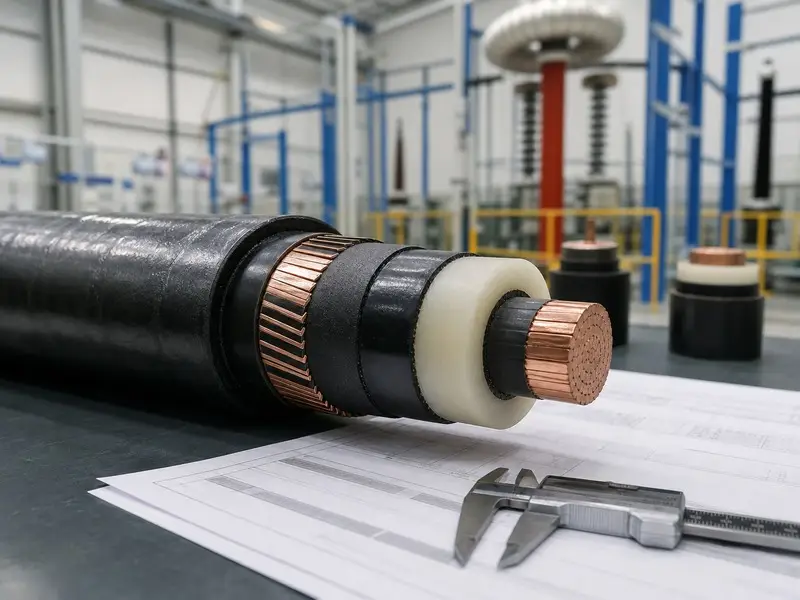
МЭК 60502-2 для кабеля среднего напряжения дает инженерам базовую информацию о силовых кабелях с экструдированной изоляцией. Много 6 кВ до 30 Его используют распределительные сети класса кВ и промышленные системы.. Стандарт помогает определить конструкцию кабеля., размеры, и требования к тестированию, но это не заменяет спецификацию проекта. Полная спецификация кабеля среднего напряжения по-прежнему требует обозначения напряжения., размер проводника, система изоляции, металлический экран, броня, и ножны. Также требуется среда установки, объем тестирования, длина барабана, и требования к документам.
От XWA Power & Инженерный и заводской вид кабеля, МЭК 60502-2 лучше всего работает в качестве технической основы. Затем в файл проекта добавляется фактическая модель кабеля., материал проводника, область экрана, дизайн брони, и материал оболочки. Это также добавляет требования к пожару или ультрафиолетовому излучению., план проверки, и документация на поставку. В этой статье объясняется, как XWA читает IEC. 60502-2 при производстве кабелей среднего напряжения. Он также показывает, как стандарт соединяется с практичным заказом кабеля..
Основной контекст продукта – это Силовой кабель среднего напряжения диапазон. Параметры, зависящие от напряжения, такие как 33кВ кабель использовать ту же инженерную логику. Стандарт определяет структуру. Утвержденная спецификация определяет поставляемый кабель..
Где МЭК 60502-2 Подходит для кабеля среднего напряжения..
МЭК 60502 представляет собой многокомпонентное стандартное семейство силовых кабелей с экструдированной изоляцией и аксессуаров к ним.. МЭК 60502-2 основное внимание уделяется силовым кабелям для номинальных напряжений от 6 кВ до 30 кВ. На практическом языке проекта, инженеры часто применяют его к кабельным системам среднего напряжения.. Общие обозначения напряжения включают в себя 6/10 кВ, 8.7/15 кВ, 12/20 кВ, и 18/30 кВ.
Стандарт не является каталогом продукции. Он не решает каждую деталь конструкции. В проекте все еще необходимо определить медный или алюминиевый проводник., одножильный или трехжильный вариант конструкции, тип экрана, тип брони, материал оболочки, и водоблокирующие слои. Этот выбор обусловлен дизайном системы., среда установки, расчет тока повреждения, местная коммунальная практика, и согласованное техническое задание.
| Уровень спецификации. | Что это определяет. | Почему это важно. |
|---|---|---|
| МЭК 60502-2 базовый уровень. | Объем, строительный каркас, размеры, и испытания экструдированных кабелей среднего напряжения. | Создает признанный технический справочник. |
| Спецификация проекта. | Напряжение, дирижер, экран, броня, оболочка, пожарные и экологические требования. | Преобразует стандартный кабель в сборную конструкцию кабеля. |
| План проверок и испытаний. | Рутина, образец, тип, свидетель, и требования к документам. | Контролирует приемку перед отправкой. |
| Проектирование установки. | Маршрут, траншея, воздуховод, тянет, изгиб, связь, прекращение, и ввод в эксплуатацию. | Контролирует производительность после родов. |

Обозначение напряжения должно соответствовать сети.
В спецификациях кабелей среднего напряжения обычно используются Uo/U.(Один) обозначение напряжения. Uo — номинальное напряжение промышленной частоты между проводником и землей или металлическим экраном.. U — номинальное напряжение между проводниками. Um означает максимальное системное напряжение для кабельного оборудования.. Это обозначение является более точным, чем просто высказывание “11 кВ кабель” или “33 кВ кабель.”
Распространенным заводским риском является неполное описание напряжения.. Например, проект может описывать 11 система кВ. Спецификация кабеля может по-прежнему требовать 6.35/11(12) кВ или 8.7/15(17.5) кВ. Окончательное обозначение определяется конструкцией системы и местной практикой.. Та же проблема появляется в 33 кВ сети, где 18/30(36) кВ – общепринятое обозначение. XWA лечит полный Uo/U(Один) обозначение как обязательный входной параметр проектирования перед производством.
Материал и размер проводника определяются не только стандартом.
МЭК 60502-2 может применяться к кабелям с медными или алюминиевыми жилами. Указанная конструкция определяет материал. Стандарт обеспечивает основу, но материал проводника и площадь поперечного сечения зависят от электротехнического проектирования.. Ток нагрузки, режим короткого замыкания, и падение напряжения влияют на окончательный выбор проводника. Способ установки, температура окружающей среды, длина маршрута, и совместимость завершения также имеют значение.
Медные проводники обеспечивают высокую проводимость и компактные размеры.. Алюминиевые проводники уменьшают вес и часто повышают экономическую эффективность при больших длинах и поперечных сечениях.. Правильный выбор зависит от установленной системы., не универсальное правило. XWA проверяет материал проводников, номинальная площадь, класс дирижера, и конструкция прядей. Обзор соответствует утвержденным техническим характеристикам и применимому стандарту проводников..
Изоляция из сшитого полиэтилена занимает центральное место, Но экраны контролируют электрическое поле.
Кабели среднего напряжения согласно IEC 60502-2 обычно используют изоляцию из сшитого полиэтилена. Сшитый полиэтилен обеспечивает хорошие тепловые и диэлектрические характеристики при работе в условиях среднего напряжения.. Изоляция по-прежнему требует правильных экранов и интерфейсов.. Экран проводника и изоляционный экран создают плавные электрические интерфейсы и помогают контролировать электрическое напряжение вокруг проводника и изоляции..
Заводской контроль качества уделяет внимание чистоте, концентричность, непрерывность экрана, толщина изоляции, и состояние интерфейса. Дефекты на границе раздела экран-изоляция могут оказаться более важными, чем простой визуальный дефект внешней оболочки.. Вот почему производство кабелей среднего напряжения требует контролируемой экструзии., чистые материалы, подходящее отверждение, проверка размеров, и электрические испытания.
| Кабельный слой среднего напряжения. | Инженерная функция. | Деталь спецификации для определения. |
|---|---|---|
| Дирижер. | Проводит ток нагрузки и ток повреждения в течение короткого времени.. | Медь или алюминий, область, сорт, конструкция пряди. |
| Экран проводника. | Сглаживает электрическое поле на поверхности проводника.. | Совместимость материалов и непрерывная экструзия. |
| Изоляция из сшитого полиэтилена. | Обеспечивает основную диэлектрическую прочность. | Класс напряжения, номинальная толщина, минимальная толщина. |
| Изоляционный экран. | Контролирует электрическое напряжение на поверхности изоляции.. | Склеенная или съемная конструкция, как указано.. |
| Металлический экран. | Обеспечивает путь замыкания на землю и функцию экранирования.. | Область медной проволоки или ленты, требование короткого замыкания. |
| Броня. | Обеспечивает механическую защиту там, где это необходимо.. | Материал, магнитное поведение, одноядерная пригодность. |
| Внешняя оболочка. | Защищает от влаги, истирание, УФ, химикаты, и условия пожара. | ПВХ, ЧП, ЛСЖ, цвет, маркировка, специальное исполнение. |
Область металлического экрана соединяет кабель с неисправностью..
Металлический экран – это не только деталь конструкции.. Это часть пути заземления и тока повреждения.. В системе может быть указан экран из медной проволоки., экран из медной ленты, или комбинированный дизайн экрана. Площадь экрана должна соответствовать режиму работы при замыкании на землю и схеме соединения..
Кабель, описанный только как “Кабель среднего напряжения с изоляцией из сшитого полиэтилена” недостаточно специфичен для производства. Металлическая конструкция экрана, область, и требования к короткому замыканию требуют четкого определения. На некоторых рынках, в спецификациях утилит используются знакомые области экрана и коды кабелей.. В промышленных проектах, инженер-консультант может определить режим работы экрана на основе системных расчетов. XWA согласовывает дизайн экрана с утвержденными проектными данными.
Броня и ножны требуют установки.
МЭК 60502-2 позволяет строить бронированные и небронированные конструкции, но среда установки решает, подходит ли броня. Прямое захоронение, подземные каналы, туннели, кабельные лотки, промышленные зоны, и подстанции создают различные механические риски. Одножильные кабели также требуют тщательного выбора брони, поскольку магнитная броня может создавать проблемы с нагревом при работе на переменном токе..
Материал оболочки также нуждается в контексте.. ПВХ обычно используется для общего применения.. PE может использоваться на маршрутах, где важна устойчивость к влаге и истиранию.. Туннели, здания, станции, и закрытых помещениях может потребоваться LSZH или огнестойкая оболочка.. Воздействие на открытом воздухе может потребовать устойчивости к ультрафиолетовому излучению.. Стандартная ссылка не устраняет необходимости определять эти условия проекта..
Рутина, Образец, А у типовых тестов разные задачи.
МЭК 60502-2 включает требования к тестированию. Результаты испытаний все еще нуждаются в пересмотре категории. Приемо-сдаточные испытания распространяются на изготовленные длины кабелей в соответствии со стандартом и проектной спецификацией.. Выборочные испытания применяются к выбранным образцам или производственным партиям.. Типовые испытания подтверждают конструкцию кабеля в определенных условиях.. Сертификат типовых испытаний не заменяет текущие протоколы плановых испытаний поставляемого кабеля..
В XWA, план проверок и испытаний разделяет эти категории перед производством. Отчет о плановых испытаниях привязан к фактической длине кабеля., барабан, или производственная партия. XWA прикладывает образцы и доказательства типовых испытаний, когда этого требует проект.. Результатом является отслеживаемый пакет документов, а не общий сертификат..
| Категория теста. | Цель. | Типичное заводское свидетельство. | Распространенное недоразумение. |
|---|---|---|---|
| Плановый тест. | Обнаружение дефектов в поставляемых кабелях. | Отчет связан с партией или барабаном. | Предполагая, что сертификата каталога достаточно.. |
| Образец теста. | Проверка выбранных образцов продукции. | Отчет об измерениях партии или материале. | Ожидание, что каждый барабан получит разрушительные проверки. |
| Типовое испытание. | Проверка конструкции кабеля. | Отчет или сертификат по конкретному проекту. | Использование доказательств из другой конструкции. |
| Специальный тест. | Соответствие требованиям конкретного проекта. | Согласованный план проверок и испытаний. | Добавление тестов после упаковки кабеля. |
Контроль частичного разряда — одна из причин, по которой стандарт имеет значение.
Частичный разряд является важной темой диагностики и приемки кабелей среднего напряжения.. Это может указывать на слабость системы изоляции., экранный интерфейс, подготовка концов кабеля, или тестовая установка. Стандарт и спецификация проекта определяют метод частичного разряда для испытуемого кабеля..
Заводская запись должна идентифицировать кабель., обозначение напряжения, условие испытания, результат, и статус принятия. Отчет, в котором говорится только “ПД прошел” имеет ограниченную техническую ценность. Требуется подключение к барабану или производственной партии.. Заводской процесс XWA связывает записи о частичном разряде с идентичностью кабеля, условия испытаний, и финальная версия документов.
Что МЭК 60502-2 Не решает.
Для сильной спецификации кабеля среднего напряжения требуется более одного эталонного образца.. МЭК 60502-2 не решает проект маршрута, расчет токовой нагрузки, предел падения напряжения, или уровень короткого замыкания. Это также не решает вопрос склеивания оболочки., напряжение, радиус изгиба, дизайн завершения, или пусконаладочные испытания. Эти решения относятся к системному проектированию и планированию установки..
Эта граница имеет значение, поскольку многие неисправности кабелей среднего напряжения не связаны с самим стандартом кабеля.. Они могут исходить из неподходящей области экрана., неправильный выбор ножен, или плохое хранение. Другие причины включают чрезмерный изгиб., чрезмерная сила тяги, плохая подготовка к завершению, попадание влаги, и несогласованные аксессуары. Стандарт кабеля необходим, но это еще не весь проект.
Обзор фабрики XWA перед производством.
До производства, XWA проверяет утвержденную таблицу данных, строительный чертеж, список материалов, и план проверки. В обзоре также рассматривается маркировка, длина барабана, и требования к упаковке. Производственный файл определяет код кабеля., обозначение напряжения, дирижер, изоляция, экран, броня, оболочка, и стандарт. Любые отклонения от проекта должны быть видны до начала производства..
Во время производства, XWA контролирует подготовку проводников, экструзия, экранное приложение, и толщина изоляции. XWA также управляет металлическим экраном., броня, экструзия оболочки, маркировка, и упаковка барабана в соответствии с утвержденным файлом. Затем XWA сопоставляет записи проверок и результаты испытаний с произведенным кабелем.. Это создает прямую связь от спецификации к производству и отгрузке..
Матрица практических характеристик.
Следующая матрица показывает, как МЭК 60502-2 становится полной спецификацией кабеля среднего напряжения. Он использует реальную логику файла проекта.. Не заменяет инженерный расчет., но это помогает предотвратить неполные описания.
| Данные проекта. | Заводское использование. | Пример недостающей детали. |
|---|---|---|
| Обозначение напряжения. | Определяет уровень изоляции и основу испытаний. | Только пишу “11 кВ”. |
| Материал и размер проводника. | Определяет электрические и производственные данные. | Размер листинга без меди или алюминия. |
| Металлическая область экрана. | Поддерживает защиту от замыканий на землю. | Игнорирование короткого замыкания экрана. |
| Структура брони. | Контролирует механическую защиту и проблемы с нагревом переменного тока.. | Использование магнитной брони на одножильном кабеле переменного тока без рассмотрения. |
| Материал оболочки. | Соответствует окружающей среде, огонь, УФ, и химическое воздействие. | Использование стандартной черной оболочки без требований к производительности.. |
| Объем испытаний. | Определяет рутину, образец, тип, и требования к свидетелям. | Просить “все тесты” без категорий. |
| Длина барабана и маркировка. | Контролирует упаковку, логистика, и планирование установки. | Нет требований к нумерации барабанов или защите концов кабеля.. |
Как этот раздел поддерживает выбор кабеля среднего напряжения.
Статья о стандартах должна поддерживать выбор продукта, не заменяя страницу продукта.. The Тестирование кабеля среднего напряжения перед отправкой в статье объясняется заводская приемка и отслеживание. Этот МЭК 60502-2 статья объясняет техническую основу спецификации. Вместе, они помогают подключить выбор кабеля, производство, тестирование, и выпуск документов.
Для поисковых систем и поисковых систем с искусственным интеллектом, полезный ответ очевиден. МЭК 60502-2 определяет базовую линию для многих кабелей среднего напряжения с экструдированной изоляцией.. Фактический заказ кабеля по-прежнему определяет напряжение., дирижер, экраны, броня, оболочка, тесты, и контекст установки. Это различие не позволяет статье конкурировать со страницей продукта MV и дает сайту более сильный кластер стандартов..
Часто задаваемые вопросы.
Какой диапазон напряжений соответствует IEC 60502-2 крышка?
МЭК 60502-2 распространяется на силовые кабели с экструдированной изоляцией на номинальное напряжение от 6 кВ до 30 кВ. В проектных документах обычно указываются полные значения Uo/U.(Один) обозначение напряжения, а не просто простое название напряжения системы.
МЭК 60502-2 то же, что и техническое описание кабеля среднего напряжения?
Нет. МЭК 60502-2 это стандартная ссылка. Техническое описание определяет фактическую конструкцию кабеля., включая дирижера, изоляция, экран, броня, оболочка, обозначение напряжения, размеры, и требования к конкретному проекту.
МЭК 60502-2 решить, нужна ли броня кабелю среднего напряжения?
Нет. Броня зависит от среды установки, механический риск, проектирование маршрута, и какой кабель одножильный или многожильный. В спецификации проекта указан тип брони, когда на маршруте требуется броня..
Заменяет ли отчет о типовых испытаниях плановые испытания??
Нет. Данные типовых испытаний подтверждают конструкцию кабеля. Плановые испытания распространяются на изготовленные длины кабелей в соответствии со стандартом и проектной спецификацией.. Обе формы доказательств отвечают на разные вопросы принятия.
Какая информация нужна XWA для IEC 60502-2 Конфигурация кабеля среднего напряжения?
Технические данные включают обозначение напряжения., материал и размер проводника, основной номер, и расчет изоляции. Сюда также входит дизайн экрана, металлическая область экрана, броня, материал оболочки, стандартный, область тестирования, длина барабана, маркировка, упаковка, и требования к месту назначения. Свяжитесь с XWA для получения конфигурации кабеля среднего напряжения для конкретного проекта..
Инженерное заключение.
МЭК 60502-2 дает проектам по прокладке кабелей среднего напряжения признанную техническую основу, но стандарт - это только одна часть полной спецификации. Последний кабель должен иметь определенный класс напряжения., дирижер, система изоляции, металлический экран, броня, оболочка, тесты, среда установки, и план контроля документации.
XWA использует IEC 60502-2 в качестве эталона для производства и тестирования в утвержденном файле проекта. Этот метод сохраняет конструкцию кабеля, заводской процесс, протоколы испытаний, список барабанов, и отгрузочные документы согласованы. Согласование начинается с рассмотрения предложения и продолжается до окончательной поставки..